Collecting and analyzing bacteria requires careful procedures to ensure accuracy and safety. Here's a breakdown of the process:
1. Sample Collection:
* Identify the source: Where are you collecting bacteria from? This will determine the best sampling method. Examples include:
* Environmental samples: Soil, water, air.
* Clinical samples: Blood, urine, swabs.
* Food samples: Raw meat, dairy products.
* Sterilize equipment: Use sterilized tools (swabs, pipettes, petri dishes) to avoid contamination.
* Proper collection technique: Follow specific guidelines based on the sample type. For example, swabbing surfaces, drawing blood, or collecting water samples.
* Store samples appropriately: Keep samples cool and transport them quickly to the lab to prevent bacterial growth or degradation.
2. Enrichment and Isolation:
* Enrichment: Some bacteria are present in low numbers, requiring enrichment techniques to increase their population. This involves providing optimal growth conditions in a specific medium.
* Isolation: Separate individual bacterial colonies from the mixed population. This is achieved using:
* Streak plate method: Diluting the sample on a petri dish with agar to obtain individual colonies.
* Pour plate method: Mixing the sample with melted agar before pouring onto a plate.
3. Identification and Characterization:
* Microscopic examination: Observe bacteria's shape, size, and arrangement using a microscope.
* Gram staining: This differential staining technique distinguishes bacteria into gram-positive and gram-negative based on their cell wall structure.
* Biochemical tests: Various tests identify specific metabolic pathways and enzymes present in bacteria.
* Molecular techniques:
* PCR (polymerase chain reaction): Amplifies specific DNA sequences for identification.
* 16S rRNA sequencing: Compares ribosomal RNA gene sequences for bacterial identification and classification.
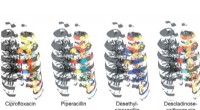
* Antibiotic susceptibility testing: Determines which antibiotics are effective against the bacteria.
4. Data Analysis:
* Microscopic observations: Document the bacterial morphology.
* Biochemical test results: Interpret the results and identify the bacterial species.
* Molecular data: Analyze sequence data and compare it to databases for identification.
* Antibiotic susceptibility data: Interpret the results to determine the best treatment options.
5. Reporting:
* Prepare a detailed report: Document all the procedures, results, and conclusions.
* Communicate findings: Share the report with relevant parties, such as healthcare professionals or researchers.
Safety Precautions:
* Always wear appropriate personal protective equipment (PPE): lab coats, gloves, and safety goggles.
* Work in a sterile environment: Use a laminar flow hood to minimize contamination.
* Dispose of all materials safely: Autoclave or incinerate contaminated waste.
* Be aware of potential pathogens: Handle bacteria with caution and follow proper safety protocols.
Note:
This is a general overview, and the specific methods used will vary depending on the research goals and the type of bacteria being studied. Always consult reliable resources and seek guidance from experienced professionals when working with bacteria.