1. Zoology: The study of animals.
2. Botany: The study of plants.
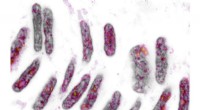
3. Microbiology: The study of microorganisms, such as bacteria, viruses, and fungi.
4. Ecology: The study of how organisms interact with each other and their environment.
5. Genetics: The study of genes, heredity, and variation.
6. Evolutionary Biology: The study of the origin and diversification of life on Earth.
7. Cell Biology: The study of the structure and function of cells.
8. Physiology: The study of the functions of living organisms and their parts.
9. Biochemistry: The study of the chemical processes that occur within living organisms.
10. Molecular Biology: The study of biological molecules, such as DNA and RNA.
This list is not exhaustive, and there are many other important areas within biology, including:
* Biophysics: The study of physical principles applied to biological systems.
* Developmental Biology: The study of how organisms develop from a single cell.
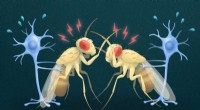
* Neuroscience: The study of the nervous system.
* Immunology: The study of the immune system.
* Biotechnology: The application of biological principles to technological processes.
Remember, these fields are interconnected and overlap extensively. Many biologists specialize in multiple areas to gain a deeper understanding of the complexities of life.