* Functional Specialization: Many cell types have specialized functions that are required in multiple organs. For example, epithelial cells form linings and coverings, and you'll find them in the skin, digestive system, respiratory system, and many other places.
* Tissue Types: Organs are made up of different tissues, and tissues are made up of cells. The same types of cells can be found in different tissues and therefore in different organs.
* Evolutionary Adaptation: This diversity in cell types within different organs is a testament to how organisms evolve and adapt. Similar cells can be recruited for different functions depending on the organ's needs.
Examples:
* Muscle Cells: You'll find smooth muscle cells in the digestive system, blood vessels, and the uterus. You'll find skeletal muscle cells in your arms and legs. Cardiac muscle cells are found exclusively in the heart.
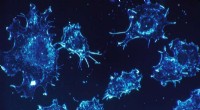
* Epithelial Cells: As mentioned, these form linings and coverings. They can be found in the skin, lining the digestive tract, the lungs, the blood vessels, and more.
* Connective Tissue Cells: These are involved in support and structure. You'll find them in bones, cartilage, tendons, ligaments, and even blood.
* Nerve Cells: Found in the brain, spinal cord, and throughout the body, transmitting signals.
Important Note: While cells can be found in different organs, their specific functions and characteristics might vary slightly depending on the organ's overall function.
Let me know if you'd like to explore a specific cell type and its presence in different organs!