Animals:
* Humans: We are multicellular eukaryotes with complex tissues and organs.
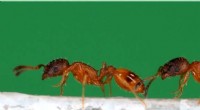
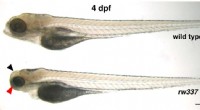
* Dogs, cats, birds, fish, insects: All animals, from the smallest insects to the largest whales, are eukaryotes.
Plants:
* Trees, flowers, grasses: Plants are multicellular eukaryotes that perform photosynthesis.
* Algae: While some algae are single-celled, many are multicellular and belong to the eukaryotic domain.
Fungi:
* Mushrooms, yeasts, molds: Fungi are heterotrophic eukaryotes that obtain nutrients by decomposing organic matter.
Protists:
* Amoeba, paramecium, diatoms: Protists are a diverse group of single-celled eukaryotes that can be found in various habitats.
Other:
* Slime molds: Although they exhibit some characteristics of fungi, slime molds are actually protists.
Key takeaway: All organisms whose cells contain nuclei (i.e., eukaryotes) are part of a diverse and interconnected web of life.