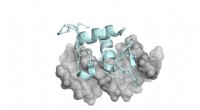
* Controlled Expression: Gene regulation ensures that genes are expressed (turned on) only when and where they are needed. Imagine if all genes were constantly active - the cell would be overwhelmed with unnecessary proteins, leading to chaos and likely death.
* Specificity and Diversity: Different cells in a multicellular organism need to perform different functions. Gene regulation allows cells to specialize by activating specific genes while silencing others. This is how a muscle cell develops differently from a brain cell.
* Adaptation and Response: Gene regulation enables organisms to respond to changes in their environment. For example, when you eat, your body produces more insulin to regulate blood sugar levels. This is a direct result of genes being turned on and off in response to the presence of food.
* Development: During development, genes are activated in specific sequences to create the complex structures of a body. This is how a single fertilized egg becomes a complete organism.
* Disease Prevention: Gene regulation plays a crucial role in preventing diseases. When gene regulation goes wrong, it can lead to cancer, genetic disorders, and other health problems.
In short, gene regulation is the foundation for:
* Cell function
* Organism development
* Adaptation to the environment
* Maintaining health
Without proper gene regulation, life as we know it would be impossible.