Humans belong to the domain Eukarya, characterized by:
* Eukaryotic cells: These cells have a nucleus that encloses their DNA, as well as other membrane-bound organelles.
* Multicellularity: Humans are complex multicellular organisms with specialized tissues and organs.
* Complex life cycles: Humans have a distinct life cycle with stages like embryo, fetus, infant, and adult.
* Heterotrophy: Humans obtain nutrients by consuming other organisms.
* Advanced cognitive abilities: Humans possess advanced brains and complex nervous systems, leading to intelligence, language, and culture.
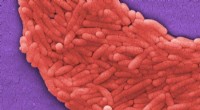
Archaea belong to the domain Archaea, characterized by:
* Prokaryotic cells: These cells lack a nucleus and other membrane-bound organelles.
* Unicellularity: Archaea are single-celled organisms.
* Simple life cycles: Archaea typically reproduce asexually, with no distinct life stages.
* Diverse metabolism: Archaea exhibit a wide range of metabolic strategies, including chemosynthesis, photosynthesis, and fermentation.
* Extremophile tendencies: Many archaea thrive in extreme environments like hot springs, salt lakes, and acidic vents.
Key Differences:
* Cellular Structure: Humans have eukaryotic cells while archaea have prokaryotic cells.
* Organization: Humans are multicellular organisms while archaea are unicellular.
* Metabolism: Humans are heterotrophic while archaea are diverse in their metabolism.
* Habitat: Humans are adapted to a variety of environments, while archaea can thrive in extreme environments.
* Cognitive Abilities: Humans have advanced cognitive abilities while archaea are simple organisms with limited cognitive function.
In summary, humans and archaea are fundamentally different in their cellular structure, organization, metabolism, and lifestyle. These differences are a reflection of the immense evolutionary divergence between these two domains of life.