1. The evolution of antibiotic resistance in bacteria: Bacteria can evolve resistance to antibiotics through mutations. This resistance occurs when bacteria develop genetic changes that allow them to survive and reproduce in the presence of antibiotics. As a result, the population of resistant bacteria increases, while the population of susceptible bacteria decreases. This is a prime example of natural selection, as the bacteria with the advantageous trait (resistance) are more likely to survive and pass on their genes.
2. The evolution of the peppered moth: The peppered moth is a classic example of natural selection. Before the Industrial Revolution, the peppered moth was predominantly white with black spots, which provided camouflage against the lichen-covered trees in its environment. However, during the Industrial Revolution, pollution darkened the trees, making the white moths more visible to predators. As a result, the darker moths became more common, as they were better camouflaged against the soot-covered trees. This shift in the moth's population demonstrates how environmental changes can drive the evolution of a species.
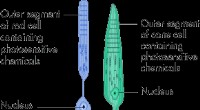
3. The evolution of the human eye: The human eye is a complex organ that has evolved over millions of years. Early ancestors of humans had simple light-sensitive cells. Over time, these cells evolved into more complex structures, eventually leading to the development of a lens, iris, and retina. This evolutionary process demonstrates how complex organs can arise from simpler structures through a series of small, incremental changes over long periods.
These are just a few examples of the vast array of evolutionary processes that have shaped life on Earth.