1. Variation:
* Genetic variation: Individuals within a population have slightly different genes due to mutations (changes in DNA) and sexual reproduction (combining genes from two parents). This variation provides the raw material for evolution.
* Environmental variation: The environment can also influence variation, like differences in food availability or climate.
2. Inheritance:
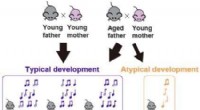
* Offspring inherit genetic traits from their parents. This passing down of characteristics is crucial for evolution, as it allows beneficial traits to be passed on.
3. Selection:
* Natural Selection: The environment "selects" individuals with traits that give them a survival and reproductive advantage. These individuals are more likely to live long enough to reproduce and pass their advantageous traits to their offspring. Over time, these traits become more common in the population.
* Artificial Selection: Humans can also influence evolution by selectively breeding organisms with desirable traits, leading to changes in the population.
4. Time:
* Evolution is a gradual process that happens over many generations. The longer a population is exposed to selective pressure, the more significant the changes in the population become.
5. Random Factors:
* Genetic Drift: Random fluctuations in gene frequencies can occur, particularly in small populations. This can lead to the loss of beneficial traits or the increase of less beneficial ones.
* Mutation: New mutations can occur, introducing new traits into the population. These mutations might be beneficial, harmful, or neutral.
In summary, evolution occurs through a combination of:
* Genetic variation: Provides the raw material for evolution.
* Inheritance: Allows the passing down of traits.
* Selection: Favors advantageous traits, increasing their frequency in the population.
* Time: Allows for gradual changes to accumulate over many generations.
It's crucial to understand that evolution is not a directed process, but rather a response to the environment and random events. Evolution results in populations becoming better adapted to their specific environments, leading to the diversity of life we see today.