1. Energy Production:
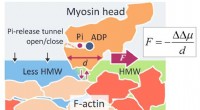
* Cellular Respiration: This is the primary way cells obtain energy from food molecules (glucose) by breaking them down in the presence of oxygen. It produces ATP (adenosine triphosphate), the cell's energy currency.
* Photosynthesis: This process, exclusive to plants and some bacteria, uses sunlight to convert carbon dioxide and water into glucose (food) and oxygen. It's the foundation of the food chain.
2. Building and Breaking Down Molecules:
* Anabolism: This is the process of synthesizing complex molecules from simpler ones, requiring energy (ATP). Examples include protein synthesis and DNA replication.
* Catabolism: This is the breakdown of complex molecules into simpler ones, releasing energy. Examples include digestion of food and breaking down damaged cellular components.
3. Transport and Communication:
* Membrane Transport: Cells need to move substances across their membranes, both into and out of the cell. This involves various mechanisms like diffusion, active transport, and osmosis.
* Cellular Communication: Cells communicate with each other through various signaling pathways, using molecules like hormones and neurotransmitters. This coordination is essential for proper functioning of tissues and organs.
4. Maintenance and Repair:
* Protein Synthesis: Cells constantly produce proteins, which are essential for all cellular functions. This involves decoding genetic information from DNA into mRNA and then translating it into proteins.
* DNA Replication: Cells need to copy their DNA before cell division to ensure each new cell receives a complete set of genetic instructions.
* Repair Mechanisms: Cells have intricate mechanisms to repair damaged DNA, proteins, and other cellular components, ensuring proper functioning and preventing diseases.
5. Reproduction:
* Cell Division: All living things reproduce, either through binary fission (in bacteria) or mitosis and meiosis (in eukaryotic organisms). This process creates new cells for growth, repair, and reproduction.
It's important to note: While these processes are common to all living things, the specific mechanisms and details can vary significantly between different organisms. For instance, bacteria have different pathways for cellular respiration than humans.