Basic Laboratory Equipment:
* Beakers: Cylindrical containers used to hold and mix liquids.
* Erlenmeyer Flasks: Conical flasks with a narrow neck used for mixing, heating, and storing liquids.
* Graduated Cylinders: Cylindrical containers with markings to measure the volume of liquids precisely.
* Pipettes: Tools used to transfer small, measured volumes of liquids.
* Test Tubes: Small glass tubes used for holding and reacting small amounts of chemicals.
* Funnels: Conical devices used to transfer liquids or solids through a narrow opening.
* Stirring Rods: Glass rods used to mix solutions.
* Bunsen Burners: Devices that produce a controlled flame for heating.
* Tongs: Tools used to hold or move hot objects.
* Spatulas: Tools used to scoop or transfer solids.
Specialized Equipment:
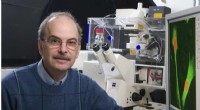
* Microscopes: Instruments that magnify small objects for detailed observation.
* Spectrophotometers: Devices that measure the absorption and transmission of light through a substance.
* Centrifuges: Machines that spin samples at high speed to separate components based on density.
* Balances: Instruments used to measure mass.
* pH Meters: Devices that measure the acidity or alkalinity of a solution.
* Thermometers: Devices used to measure temperature.
* Ovens and Incubators: Controlled environments used for heating or growing samples.
* Autoclaves: Devices used to sterilize equipment and materials.
Other Essential Tools:
* Safety Goggles: Eye protection during experiments.
* Gloves: Hand protection from chemicals or hazardous materials.
* Lab Coats: Protective clothing worn during experiments.
* First Aid Kit: For handling minor injuries.
Specific Apparatus by Scientific Discipline:
* Chemistry: Burettes, titrators, distillation apparatuses, chromatography equipment.
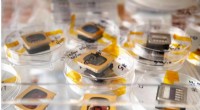
* Biology: Petri dishes, incubators, centrifuges, microscopes, dissecting tools.
* Physics: Oscilloscopes, multimeters, electrometers, lasers, telescopes.
* Geology: Rock hammers, hand lenses, compasses, GPS devices.
* Astronomy: Telescopes, spectrometers, CCD cameras, interferometers.
This is just a small sampling of the vast array of science apparatus available. The specific equipment used depends on the nature of the research and the specific scientific discipline.
It's important to remember that using science apparatus requires proper training and safety precautions. Always follow laboratory procedures and safety guidelines to ensure a safe and successful experiment.