Here's a simplified breakdown:
1. Glycolysis:
- Glucose is broken down into pyruvate in the cytoplasm.
- This process produces a small amount of ATP (adenosine triphosphate), the cell's energy currency, and NADH (nicotinamide adenine dinucleotide), an electron carrier.
2. Citric Acid Cycle (Krebs Cycle):
- Pyruvate enters the mitochondria, where it's converted into acetyl-CoA.
- Acetyl-CoA enters the citric acid cycle, a series of reactions that produce more NADH, FADH2 (flavin adenine dinucleotide), and some ATP.
3. Electron Transport Chain:
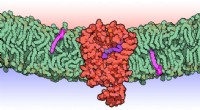
- The electron carriers NADH and FADH2 deliver electrons to the electron transport chain, a series of protein complexes embedded in the mitochondrial membrane.
- As electrons move through the chain, they release energy that is used to pump protons across the membrane, creating a proton gradient.
- This gradient drives the production of ATP through ATP synthase, a protein complex that harnesses the energy of the proton flow.
Overall, cellular respiration produces approximately 38 ATP molecules per glucose molecule.
Types of Cellular Respiration:
- Aerobic respiration: Requires oxygen as the final electron acceptor in the electron transport chain. This is the most efficient form of respiration, yielding the most ATP.
- Anaerobic respiration: Doesn't require oxygen. Instead, other molecules like nitrates or sulfates are used as final electron acceptors. This process yields less ATP than aerobic respiration.
Importance of Cellular Respiration:
- Provides energy for all cellular processes, including growth, movement, and maintaining cell function.
- Essential for life as we know it.
Let me know if you'd like more details on any specific step or aspect of cellular respiration!