Here's a breakdown:
* Natural variation: Organisms within a species naturally exhibit a range of traits. This variation arises from genetic differences.
* Artificial selection: Humans deliberately choose organisms with desirable traits to breed. This process concentrates those traits in future generations.
* Useful traits: These can include anything beneficial to humans, such as increased milk production in cows, larger fruit size in plants, or specific coat colors in dogs.
How it works:
1. Identify desirable traits: Humans observe the natural variation within a population and select individuals possessing the most beneficial traits.
2. Selective breeding: These selected individuals are bred together, and their offspring inherit the desired traits.
3. Repeat the process: This process is repeated over generations, leading to a gradual increase in the frequency of the desirable traits in the population.
Examples of artificial selection:
* Domesticated animals: Dogs, cats, horses, and cows have all been dramatically altered by selective breeding.
* Crops: Modern corn, wheat, and rice are vastly different from their wild ancestors due to artificial selection for larger yields, disease resistance, and other desirable characteristics.
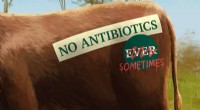
* Antibiotic resistance in bacteria: While not intentional, the overuse of antibiotics has inadvertently selected for bacteria resistant to these drugs, leading to a serious public health concern.
Key takeaway: Artificial selection is a powerful tool that has allowed humans to shape the traits of many organisms, leading to significant benefits but also potential risks that need to be considered.