1. Budding: This process involves the formation of a new organism from an outgrowth or bud on the parent organism. The bud grows and eventually detaches, becoming an independent individual. Examples of organisms that reproduce through budding include yeast, hydra, and some sponges.
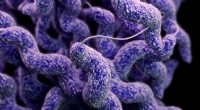
2. Binary Fission: In this process, a single-celled organism divides into two identical daughter cells. This involves the replication of the cell's DNA and then the division of the cytoplasm, resulting in two genetically identical cells. Examples of organisms that reproduce through binary fission include bacteria, amoebas, and some protists.