Here's a breakdown of its key aspects:
1. Inquiry-Based Approach:
* The project starts with a specific question or problem the student wants to answer.
* Students don't just follow a prescribed set of instructions; they actively investigate and explore the topic through research, experimentation, and analysis.
2. Systematic Methodology:
* Like any scientific investigation, a science investigatory project requires a systematic approach.
* This includes defining a research question, formulating a hypothesis, designing and conducting an experiment, collecting and analyzing data, and drawing conclusions.
3. Focus on Scientific Concepts:
* The project delves into specific scientific concepts and principles. It allows students to apply their knowledge in a practical context, fostering deeper understanding and critical thinking.
4. Communication of Results:
* The project typically culminates in a written report and/or a presentation.
* Students need to effectively communicate their research process, findings, and conclusions to an audience.
Examples of Science Investigatory Projects:
* The effect of different types of fertilizer on plant growth.
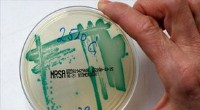
* Investigating the impact of temperature on the rate of bacterial growth.
* Analyzing the effectiveness of different hand sanitizers in reducing bacteria.
* Exploring the relationship between air pressure and altitude.
Benefits of Science Investigatory Projects:
* Develop scientific thinking and problem-solving skills.
* Enhance research and data analysis abilities.
* Promote creativity and critical thinking.
* Facilitate the understanding of scientific concepts in a practical setting.
* Provide valuable experience for future scientific endeavors.
In essence, science investigatory projects are a great way for students to engage in real-world science and learn the scientific process firsthand.