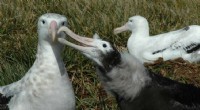
* Biological Species Concept: This concept defines a species as a group of organisms that can interbreed and produce viable, fertile offspring. It emphasizes the ability to reproduce together in nature.
* Evolutionary Species Concept: This concept defines a species as a lineage of organisms that evolves independently from other lineages. It focuses on the evolutionary history of a group and how it branches off from other groups.
Therefore, the potential to interbreed is not a defining factor in the evolutionary species concept.
Here's how the two concepts differ in terms of interbreeding:
| Concept | Focus | Interbreeding |
|---|---|---|
| Biological Species Concept | Ability to produce fertile offspring in nature | Crucial |
| Evolutionary Species Concept | Evolutionary history and lineage | Not a determining factor |
In summary:
* The biological species concept relies on the ability to interbreed as a key criterion.
* The evolutionary species concept emphasizes the shared evolutionary history of a group, regardless of the ability to interbreed with other groups.
It's important to remember that these are just two of many different species concepts. Each concept has its strengths and weaknesses, and the best concept to use depends on the specific situation.