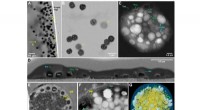
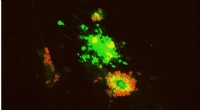
* Chloroplasts: These are the sites of photosynthesis. They contain chlorophyll, a green pigment that absorbs light energy.
* Chlorophyll: This pigment absorbs light energy, which is then used to power the chemical reactions of photosynthesis.
* Thylakoid membranes: These are internal membranes within chloroplasts where chlorophyll is located and light-dependent reactions occur.
* Stroma: This is the fluid-filled space surrounding the thylakoid membranes where the Calvin cycle (light-independent reactions) takes place.
* Mitochondria: While not directly involved in photosynthesis, mitochondria are essential for providing energy to the cell for other processes, including the conversion of sugars produced in photosynthesis into usable energy.
Summary:
* Light energy + carbon dioxide + water → sugar + oxygen
The chloroplasts are the powerhouses of photosynthesis, using light energy captured by chlorophyll to convert carbon dioxide and water into glucose (sugar) and oxygen. The mitochondria then use the glucose to generate energy for the plant cell.