1. Natural Sciences: Study the physical world and its phenomena.
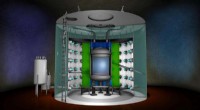
* Physics: Study of matter and energy, and their interactions. It has branches like mechanics, optics, thermodynamics, and nuclear physics.
* Chemistry: Study of matter and its properties, as well as how matter changes. It includes branches like organic chemistry, inorganic chemistry, analytical chemistry, and biochemistry.
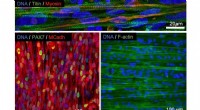
* Biology: Study of living organisms and their processes. It includes branches like zoology, botany, ecology, genetics, and microbiology.
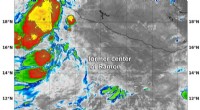
* Earth Sciences: Study of the Earth, its composition, structure, and processes. It includes branches like geology, meteorology, oceanography, and climatology.
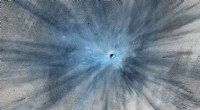
* Astronomy: Study of celestial objects and phenomena. It includes branches like astrophysics, cosmology, and planetary science.
2. Social Sciences: Study human societies and their behavior.
* Anthropology: Study of human cultures and societies.
* Sociology: Study of social groups and their interactions.
* Psychology: Study of human behavior and mental processes.
* Economics: Study of how people make decisions about scarce resources.
* Political Science: Study of government and political systems.
* History: Study of past events and their impact on the present.
3. Formal Sciences: Study abstract systems of thought.
* Mathematics: Study of numbers, quantities, and patterns.
* Logic: Study of reasoning and argumentation.
* Computer Science: Study of computers and computational systems.
4. Applied Sciences: Use scientific knowledge to solve practical problems.
* Engineering: Application of science and mathematics to create technology and solve problems.
* Medicine: Application of science to diagnose, treat, and prevent diseases.
* Agriculture: Application of science to improve food production.
Important Notes:
* These categories are not mutually exclusive. There's often overlap between branches of science.
* This is just one way to organize science. Other frameworks exist, depending on the focus.
* Many fields, like environmental science and data science, draw from multiple disciplines.
This framework provides a starting point for understanding the vast landscape of scientific knowledge.