Cell theory is a fundamental concept in biology that states:
1. All living things are made up of cells. This means that all organisms, from single-celled bacteria to complex multicellular animals, are composed of cells.
2. Cells are the basic unit of life. This means that cells are the smallest units that can carry out all the functions necessary for life, such as metabolism, growth, and reproduction.
3. All cells arise from pre-existing cells. This means that new cells are not created spontaneously, but instead arise from the division of existing cells.
Therefore, cell theory does not focus on specific parts of the cell, but rather on the fundamental principle that all living organisms are composed of cells.
However, there are many structures within a cell that are important for its function. These include:
* Cell membrane: This outer layer controls what enters and exits the cell.
* Cytoplasm: The gel-like substance that fills the cell and contains the organelles.
* Nucleus: This organelle contains the cell's DNA, which carries the genetic instructions for the cell's activities.
* Ribosomes: These structures are responsible for protein synthesis.
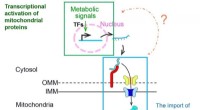
* Mitochondria: These organelles are the powerhouses of the cell, responsible for cellular respiration.
* Endoplasmic reticulum: This network of membranes is involved in protein and lipid synthesis.
* Golgi apparatus: This organelle modifies, sorts, and packages proteins and other molecules.
* Lysosomes: These organelles break down waste materials and cellular debris.
These are just some examples of the many structures found within a cell, each with a specific role to play in the cell's overall function.