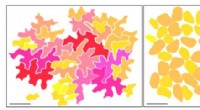
Tissue culture is the process of growing cells, tissues, or organs under controlled conditions outside of their natural environment. This is typically achieved by using a sterile nutrient medium that provides the necessary conditions for growth and development.
Key Features:
* In Vitro Growth: Tissues are grown in a controlled laboratory setting (in vitro), rather than within a living organism (in vivo).
* Sterile Environment: Tissue culture requires a sterile environment to prevent contamination from bacteria, fungi, or other microorganisms.
* Nutrient Medium: A specialized nutrient medium provides the essential nutrients, growth factors, and hormones needed for cell survival and growth.
* Specific Conditions: Conditions such as temperature, pH, and gas composition are carefully controlled to optimize growth and development.
Applications of Tissue Culture:
* Research: Studying cell biology, drug development, and disease mechanisms.
* Agriculture: Producing disease-free plants and improving crop yields.
* Medicine: Developing new treatments for diseases, growing tissues for transplantation, and conducting pre-clinical drug testing.
* Industry: Producing biopharmaceuticals, enzymes, and other bioproducts.
Types of Tissue Culture:
* Plant Tissue Culture: Growing plant cells, tissues, or organs in a controlled environment.
* Animal Tissue Culture: Growing animal cells, tissues, or organs in a controlled environment.
* Organ Culture: Maintaining organs or organ fragments in a controlled environment.
Overall, tissue culture provides a valuable tool for scientific research, medical advancements, and industrial applications by allowing for controlled growth and manipulation of living cells and tissues outside of their natural environment.