Fundamental Principles:
* All living organisms are composed of one or more cells. This is known as the Cell Theory, a cornerstone of biology.
* Cells are the basic unit of structure and function in all living organisms. They carry out all the processes necessary for life.
* All cells arise from pre-existing cells. This means that cells don't spontaneously appear, they are always the product of another cell dividing.
Structural Features:
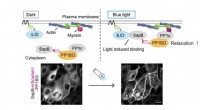
* Cells have a plasma membrane that acts as a boundary between the internal environment of the cell and its surroundings. This membrane controls what enters and exits the cell.
* Cells contain genetic material (DNA) that directs their activities. This DNA is organized into chromosomes.
* Cells have ribosomes, the sites of protein synthesis. These are essential for creating the proteins necessary for cellular function.
* Many cells have internal membrane-bound compartments (organelles) that perform specialized tasks. Examples include mitochondria (energy production), the Golgi apparatus (protein processing), and the endoplasmic reticulum (synthesis of lipids and proteins).
Functions and Diversity:
* Cells are incredibly diverse in size, shape, and function. This diversity allows organisms to adapt to a wide range of environments.
* Cells carry out a wide range of processes including metabolism, growth, response to stimuli, and reproduction. These processes are essential for the survival of the organism.
* Cells can communicate with each other and work together to form tissues, organs, and organ systems. This cooperation allows for complex multicellular life.
Modern Perspectives:
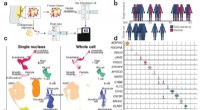
* The study of cells is an ongoing process. New technologies like microscopy and sequencing are constantly revealing new details about cell structure and function.
* Our understanding of the cell has revolutionized medicine and biotechnology. This knowledge is used to develop new treatments for diseases, design new drugs, and improve our understanding of the human body.