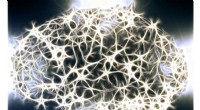
* All living things are made of cells: Whether it's a tiny bacteria or a giant blue whale, all life is ultimately composed of cells.
* Cells carry out essential life functions: Cells are the smallest units that can carry out all the processes necessary for life, such as:
* Metabolism: They take in nutrients, convert them into energy, and eliminate waste.
* Growth and Development: Cells divide and grow, leading to the development of tissues, organs, and ultimately the whole organism.
* Reproduction: Cells replicate themselves to ensure the continuity of life.
* Response to stimuli: Cells can sense and respond to changes in their environment.
* Homeostasis: Cells maintain a stable internal environment despite changes in the external environment.
* Cells share common structures and functions: Despite the diversity of life, all cells share fundamental characteristics, including:
* Plasma membrane: A barrier that encloses the cell and regulates what enters and exits.
* Cytoplasm: The gel-like substance that fills the cell and contains various organelles.
* DNA: The genetic material that carries the instructions for the cell's functions.
* Ribosomes: Structures that manufacture proteins, essential for cellular processes.
In essence, cells are the smallest independent units of life. All life forms are composed of cells, and they are responsible for carrying out all the vital functions that define life. This shared foundation makes the cell the unifying principle for all living organisms.