Specifically, the ones that cause disease are called pathogenic protozoans. They are responsible for a wide range of infections in humans and animals. Some examples of pathogenic protozoans include:
* Amoebas (like _Entamoeba histolytica_) that cause amoebiasis, a serious intestinal infection.
* Flagellates (like _Giardia lamblia_) that cause giardiasis, a common intestinal infection.
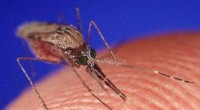
* Sporozoans (like _Plasmodium falciparum_) that cause malaria, a deadly disease transmitted by mosquitoes.
* Ciliates (like _Balantidium coli_) that can cause dysentery, an intestinal infection.
These protozoans cause damage by releasing enzymes or toxins that kill cells and disrupt tissue function.