What are Macromolecules?
Macromolecules are large, complex molecules essential for life. In plants, the major macromolecules are:
* Carbohydrates: Sugars and starches, providing energy.
* Lipids: Fats and oils, storing energy and forming cell membranes.
* Proteins: Made of amino acids, involved in countless cellular processes.
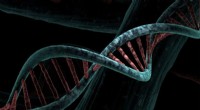
* Nucleic Acids: DNA and RNA, carrying genetic information.
Hydrolysis: Breaking Bonds
Hydrolysis means "breaking with water." Here's how it works:
1. Water Molecules: Water molecules (H₂O) are added to the macromolecule's bonds.
2. Bond Breakage: The bonds within the macromolecule are broken.
3. Smaller Molecules: The macromolecule is broken down into smaller, simpler molecules.
Enzymes: The Catalysts
Enzymes are specialized proteins that speed up chemical reactions. Plants have specific enzymes for each type of macromolecule:
* Carbohydrases: Break down carbohydrates like starch.
* Lipases: Break down lipids like fats.
* Proteases: Break down proteins.
* Nucleases: Break down nucleic acids like DNA and RNA.
Why Breakdown Macromolecules?
* Energy: Breaking down macromolecules releases energy that plants can use for growth, development, and other processes.
* Building Blocks: The smaller molecules produced by hydrolysis can be used as building blocks to construct new macromolecules.
* Waste Removal: Breakdown products that are not needed can be removed as waste.
In Summary
Plants break down macromolecules through hydrolysis, a process that uses water molecules to break bonds and release smaller molecules. Enzymes play a crucial role in catalyzing these reactions, allowing plants to access energy, building blocks, and remove waste products.