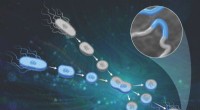
While there are a few exceptions, the vast majority of enzymes are composed of protein chains folded into specific three-dimensional structures. This structure is crucial for their function as it allows them to bind to specific molecules (substrates) and catalyze chemical reactions.
Here's why it's important to understand that enzymes are proteins:
* Catalytic Activity: The shape and chemical properties of a protein's active site are essential for binding to the substrate and facilitating the chemical reaction.
* Specificity: Proteins are highly specific in their function, and this specificity is due to their unique three-dimensional structure. Enzymes, therefore, are highly specific in their action, catalyzing only one or a very small number of reactions.
* Regulation: The activity of enzymes can be regulated by various mechanisms, such as changes in temperature, pH, or the presence of inhibitors and activators. These regulatory mechanisms often involve interactions with other proteins or molecules, highlighting the importance of the protein nature of enzymes.
Let me know if you want to know more about enzymes!