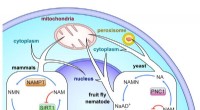
1. Cell Membrane:
* Selective Permeability: The cell membrane acts as a barrier, controlling the movement of substances in and out of the cell. It allows nutrients to enter and waste products to exit, maintaining a stable internal environment.
* Communication: The membrane contains receptors that allow the cell to sense its surroundings and communicate with other cells.
2. Cytoplasm:
* Metabolic Center: The cytoplasm is the gel-like substance that fills the cell, where most of the cell's chemical reactions take place.
* Organelle Housing: The cytoplasm holds various organelles, each with specialized functions, working together to maintain cellular life.
3. Organelles:
* Nucleus (in Eukaryotes): Contains the genetic material (DNA) that carries the instructions for all cellular activities.
* Ribosomes: Responsible for protein synthesis, which are essential for all cell functions.
* Mitochondria: Powerhouses of the cell, responsible for producing energy (ATP) through cellular respiration.
* Endoplasmic Reticulum: A network of membranes involved in protein and lipid synthesis and transport.
* Golgi Apparatus: Processes and packages proteins and other molecules for secretion or use within the cell.
* Lysosomes (in Eukaryotes): Contain enzymes that break down waste products and cellular debris.
* Vacuoles: Storage compartments for water, nutrients, and waste.
4. Homeostasis:
* Regulation of Internal Environment: Single-celled organisms maintain homeostasis by:
* Regulating their internal water balance (osmoregulation).
* Maintaining a stable internal pH.
* Controlling the concentration of essential ions and molecules.
* Response to External Stimuli: They can sense changes in their environment (e.g., temperature, nutrient availability) and respond accordingly, ensuring survival.
5. Reproduction:
* Asexual Reproduction: Single-celled organisms can reproduce quickly and efficiently through processes like binary fission, allowing them to adapt and colonize new environments rapidly.
6. Specialized Structures:
* Some single-celled organisms have specialized structures that enhance their survival, like:
* Flagella or cilia: For movement and locomotion.
* Protective coverings: For defense against predators and harsh environments.
* Photosynthetic pigments: For capturing sunlight energy in photosynthetic organisms.
In summary:
The remarkable ability of single-celled organisms to carry out all the essential life functions lies in the intricate interplay of their cell membrane, cytoplasm, organelles, and the ability to maintain homeostasis. This allows them to adapt to diverse environments, reproduce effectively, and contribute significantly to the diversity of life on Earth.