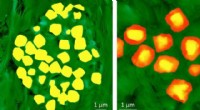
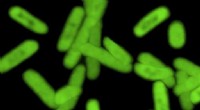
Major Phyla:
* Firmicutes: This phylum is the most abundant in the human gut, including key genera like *Bacteroides, Clostridium, Lactobacillus, Faecalibacterium, Ruminococcus*, and *Eubacterium*. They are involved in various functions, including breaking down complex carbohydrates, producing short-chain fatty acids (SCFAs), and regulating immune responses.
* Bacteroidetes: The second most abundant phylum, this group also plays a role in carbohydrate breakdown and SCFA production. Important genera include *Bacteroides* and *Prevotella*.
* Actinobacteria: This phylum, which includes *Bifidobacterium*, is especially important in infants and is thought to play a role in immune development and protection against pathogens.
* Proteobacteria: While often associated with disease, some *Proteobacteria* are found in healthy guts and play a role in nitrogen metabolism. This phylum includes genera like *Escherichia*, *Salmonella*, and *Helicobacter*.
Other Important Genera:
* Lactobacillus: Found in both the small and large intestines, these bacteria are known for their ability to ferment sugars into lactic acid, which can contribute to maintaining a healthy gut environment.
* Bifidobacterium: These bacteria are particularly prominent in infants and play a role in immune development.
* Akkermansia: This genus is gaining attention for its potential role in improving gut health and reducing inflammation.
* Faecalibacterium: These bacteria are known for producing butyrate, an important SCFA that provides energy to the gut lining and has anti-inflammatory effects.
Important Note: The composition of the gut microbiota varies significantly between individuals, influenced by factors such as diet, lifestyle, genetics, and medication. Furthermore, the specific roles of many bacterial species are still being researched.
Overall, the gut microbiota is a complex and dynamic ecosystem that plays a crucial role in human health. Maintaining a diverse and balanced gut microbiome is essential for proper digestion, immune function, and overall well-being.