Beneficial Bacteria:
* Lactobacillus: Found in yogurt, kefir, and sauerkraut. They aid digestion and boost the immune system.
* Bifidobacterium: Also found in yogurt and probiotics. They help with nutrient absorption and protect against harmful bacteria.
* Nitrifying bacteria: Crucial for nitrogen fixation in the soil, allowing plants to grow.
* E. coli (some strains): In our intestines, they help us digest food and produce vitamins.
Harmful Bacteria:
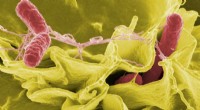
* Salmonella: Causes food poisoning, often from contaminated poultry or eggs.
* E. coli (some strains): Can cause severe food poisoning and urinary tract infections.
* Staphylococcus aureus: Causes skin infections, food poisoning, and pneumonia.
* Streptococcus pneumoniae: A common cause of pneumonia, ear infections, and meningitis.
* Mycobacterium tuberculosis: Causes tuberculosis, a serious respiratory infection.
Other Notable Bacteria:
* Cyanobacteria (blue-green algae): Produce oxygen and are found in water and soil.
* Decomposers: Break down dead organic matter, recycling nutrients in the environment.
* Clostridium botulinum: Produces the deadly toxin botulinum, used in Botox injections.
* Pseudomonas aeruginosa: Can cause infections in people with weakened immune systems.
Important Note: Not all bacteria are harmful. In fact, many are essential for life on Earth. However, some bacteria can cause disease, so it's important to practice good hygiene and food safety to prevent infections.