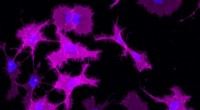
* Cytoskeleton: This intricate network of protein filaments provides structural support and acts as a "highway" for the movement of organelles, vesicles, and other cellular components. The three main types of filaments are microtubules, microfilaments, and intermediate filaments, each playing a specific role in cellular transport.
* Motor proteins: These proteins, such as kinesin, dynein, and myosin, bind to the cytoskeletal filaments and use energy from ATP to "walk" along them, carrying their cargo. They are responsible for a variety of cellular movements, including organelle transport, cell division, and muscle contraction.
* Cytoplasmic streaming: This is the movement of cytoplasm within a cell, often driven by the interaction between the cytoskeleton and motor proteins. It helps distribute nutrients and organelles throughout the cell.
* Diffusion: While not a directed movement, diffusion plays a role in the passive movement of small molecules and ions within the cell.
These factors work together to ensure the efficient and organized movement of components within the cell, which is crucial for cellular function and survival.