1. Morphological Features (Physical Characteristics):
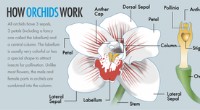
* External Morphology: This includes features like body shape, size, color, appendages, and external structures. For example, birds are classified by their beak shape, wingspan, and feather arrangement.
* Internal Morphology: This involves examining internal structures like bones, organs, and tissues. For instance, mammals are characterized by their mammary glands, hair, and a four-chambered heart.
* Cellular Features: This includes characteristics like the presence or absence of a nucleus, the number and type of organelles, and the cell wall structure. For example, prokaryotes lack a nucleus, while eukaryotes have a nucleus and other membrane-bound organelles.
2. Genetic Features:
* DNA Sequence: This involves comparing the sequence of DNA nucleotides between different organisms. Similarities in DNA sequences indicate closer evolutionary relationships.
* Chromosome Structure: This includes examining the number, shape, and banding patterns of chromosomes. Variations in chromosome structure can be used to distinguish between species.
* Protein Structure: Comparing the amino acid sequences of proteins can also reveal evolutionary relationships.
3. Physiological Features:
* Metabolism: The way an organism obtains and uses energy is a significant characteristic. For example, plants use photosynthesis, while animals obtain energy by consuming other organisms.
* Reproduction: This includes the mode of reproduction (sexual or asexual) and the reproductive cycle.
* Behavior: This encompasses the actions and responses of an organism to its environment. For example, social insects have complex behavioral patterns.
4. Ecological Features:
* Habitat: The type of environment an organism lives in can be a key feature for classification. For example, aquatic organisms live in water, while terrestrial organisms live on land.
* Niche: The specific role an organism plays within its ecosystem is important for classification. For example, predators consume other animals, while herbivores consume plants.
5. Evolutionary Relationships:
* Phylogeny: This is the study of evolutionary relationships between organisms. Phylogenetic trees are used to depict the evolutionary history of a group of organisms.
* Fossil Record: Examining fossils can provide information about the evolutionary history of organisms and their relationships to modern species.
Important Note: No single feature is solely responsible for classification. A combination of these features is used to group organisms into different categories based on their similarities and differences. The modern classification system uses a hierarchical approach, grouping organisms into increasingly specific categories like Domain, Kingdom, Phylum, Class, Order, Family, Genus, and Species.