* Small Size: Unicellular organisms are tiny, typically only a few micrometers in diameter. This small size means that every part of the cell is close to the external environment.
* Large Surface Area-to-Volume Ratio: The ratio of a cell's surface area to its volume is very high in unicellular organisms. This means that there is a large area for substances to move in and out of the cell.
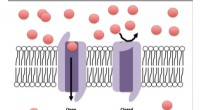
Diffusion: Diffusion is the movement of molecules from an area of high concentration to an area of low concentration. It is a passive process, meaning it doesn't require energy. In unicellular organisms, diffusion is sufficient to transport:
* Nutrients: Unicellular organisms obtain nutrients directly from their surroundings. These nutrients can diffuse across the cell membrane and into the cytoplasm.
* Waste Products: Waste products generated by the cell's metabolism can also diffuse out of the cell and into the surrounding environment.
* Oxygen: Unicellular organisms that require oxygen for respiration can obtain it directly from their environment through diffusion.
* Carbon Dioxide: Carbon dioxide, a waste product of respiration, can also diffuse out of the cell.
In summary: Unicellular organisms rely on diffusion to transport materials because their small size and high surface area-to-volume ratio make this process efficient enough to meet their needs.
Note: While unicellular organisms don't need a complex transport system like multicellular organisms, they might have specialized structures to enhance diffusion or transport specific substances. For example, some unicellular organisms have flagella or cilia for movement and to bring nutrients closer to the cell.