1. Atoms & Molecules:
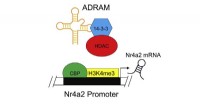
* Impact on Cells: Atoms combine to form molecules, which are the building blocks of cells. The types of molecules present determine the structure, function, and behavior of cells. For example, proteins are essential for cell structure, enzymes facilitate chemical reactions, and DNA carries genetic information.
* Impact on Organism: The unique arrangement and interactions of atoms and molecules within cells determine the characteristics of tissues, organs, and ultimately the entire organism.
2. Cells:
* Impact on Tissues: Similar cells working together form tissues. For instance, muscle cells form muscle tissue, nerve cells form nervous tissue, and epithelial cells form skin tissue. The specific functions of each type of cell determine the function of the tissue.
* Impact on Organism: Tissues combine to form organs, each with a specialized function. The coordinated activity of organs allows the organism to perform complex tasks like breathing, digesting food, and responding to stimuli.
3. Tissues:
* Impact on Organs: Different tissues work together to form organs. For example, the heart contains muscle tissue, nervous tissue, and connective tissue, all working together to pump blood.
* Impact on Organism: The coordinated function of organs allows the organism to survive and reproduce. Organs form organ systems, which work together to maintain homeostasis, the body's internal balance.
4. Organs:
* Impact on Organ Systems: Organs work together in organ systems to carry out complex functions. For instance, the digestive system includes the stomach, intestines, and liver, all working together to break down food and absorb nutrients.
* Impact on Organism: Organ systems like the digestive, circulatory, nervous, and respiratory systems work together to maintain the organism's overall health and enable it to interact with its environment.
5. Organism:
* Impact on Population: Individual organisms interact with each other and their environment, forming populations. The characteristics and behaviors of individual organisms influence the dynamics of the population, including its growth, distribution, and evolution.
* Impact on Ecosystem: Populations of different species interact with each other and their environment, forming ecosystems. The interactions between organisms and their environment shape the ecosystem's structure, function, and stability.
In Summary:
Each level of organization in biology is interconnected and dependent on the levels below it. The interactions between the parts at each level determine the characteristics and functioning of the entire organism. Understanding these relationships is crucial for comprehending the complexity and interconnectedness of life on Earth.