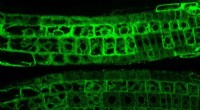
1. Cell division:
* DNA replication is essential for cell division, allowing each daughter cell to receive a complete copy of the genetic material. This is critical for growth, development, and tissue repair.
2. Repairing damaged DNA:
* DNA is constantly exposed to damaging agents like UV radiation, chemicals, and free radicals. DNA synthesis is used to repair these damaged sections, ensuring the integrity of the genetic code.
3. Genetic recombination:
* DNA synthesis plays a role in genetic recombination, which shuffles genes during sexual reproduction. This increases genetic diversity within a population.
4. Viral replication:
* Some viruses, like HIV, use the host cell's DNA replication machinery to produce copies of their own genetic material.
5. Genetic engineering:
* Scientists use DNA synthesis to create artificial DNA sequences for research, therapeutic applications, and other biotechnological purposes.
In summary: DNA synthesis is a fundamental process for life, enabling cells to divide, repair damage, and maintain genetic diversity. It also plays a vital role in our understanding and manipulation of genetic information.