1. The Pathogen:
* Type: Bacteria, viruses, fungi, and parasites all have different mechanisms of infection and growth. Some are highly infectious, while others require specific conditions to thrive.
* Virulence: The pathogen's ability to cause disease varies greatly. Highly virulent pathogens may quickly overwhelm the cells in the dish, while less virulent ones may struggle to establish themselves.
* Resistance: The pathogen's resistance to antibiotics or disinfectants will influence its survival and spread.
2. The Culture Dish:
* Cell type: Some cell types are more susceptible to certain pathogens than others. For example, bacteria might infect epithelial cells more readily than neurons.
* Media: The nutrient composition and conditions of the media can influence the pathogen's ability to grow and replicate.
* Antibiotics/Antimycotics: The presence of these agents in the media can prevent the pathogen from multiplying.
Possible Scenarios:
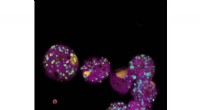
* Infection and Spread: The pathogen may successfully infect the cells in the culture dish, multiply, and eventually spread throughout the entire culture.
* No Infection: The pathogen may fail to infect the cells due to lack of appropriate receptors, unfavorable environmental conditions, or the presence of antibiotics.
* Limited Growth: The pathogen may initially infect a few cells, but fail to establish a significant population due to limited resources or host defenses.
* Cell Death: Infection with a pathogenic organism can lead to the death of cells in the culture dish, either directly through lysis or indirectly through the release of toxins.
Consequences:
* Compromised Experiment: A contaminated culture dish can significantly impact the validity of an experiment, as results may be influenced by the presence of the pathogen.
* Spread to Other Cultures: A contaminated culture dish can serve as a source of infection for other cultures, potentially causing a widespread contamination issue.
Preventing Contamination:
* Sterile Techniques: Use strict sterile techniques when handling cultures to prevent contamination.
* Antibiotics/Antimycotics: Include appropriate antibiotics or antimycotics in the media to prevent the growth of common contaminants.
* Regular Monitoring: Closely monitor cultures for signs of contamination, such as turbidity, color changes, or cell death.
In summary, the impact of a single-cell pathogen entering a culture dish can range from a minor inconvenience to a major disaster. The outcome depends on a complex interplay of factors, but careful attention to sterile technique and regular monitoring can significantly reduce the risk of contamination.