Here's a breakdown:
Asexual reproduction:
* Involves only one parent.
* Offspring are genetically identical to the parent.
* Common in single-celled organisms and some plants and animals.
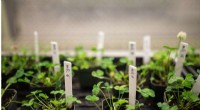
* Examples: Bacteria dividing by binary fission, plants growing from cuttings, sea anemones budding.
Sexual reproduction:
* Involves two parents.
* Offspring are genetically diverse, inheriting traits from both parents.
* Common in most animals, plants, and fungi.
* Examples: Humans having children, flowers being pollinated, animals mating.
So, while asexual reproduction is a vital process for some organisms, sexual reproduction is more common and plays a crucial role in the diversity and evolution of life on Earth.