1. Mating:
* Males: Produce sperm in their testes, which is released through the penis during copulation.
* Females: Have a complex reproductive system, including ovaries that produce eggs (ova). During ovulation, one or more eggs are released from the ovaries and travel through the fallopian tubes.
2. Fertilization:
* If sperm from a male encounters an egg in the fallopian tube, fertilization occurs. The sperm and egg fuse, creating a single cell called a zygote.
3. Pregnancy:
* The zygote travels to the uterus and implants in the uterine wall. The developing embryo receives nutrients and oxygen from the mother's blood through the placenta.
* The embryo grows and develops into a fetus over the course of the pregnancy. This period varies greatly depending on the species, ranging from a few weeks to over two years.
4. Birth:
* When the fetus is fully developed, it is born. The process of birth is called parturition and involves contractions of the uterus to expel the fetus.
* Most mammals give birth to live young.
5. Lactation:
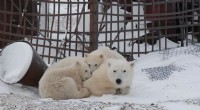
* After birth, most mammals nurse their young. Mothers produce milk in their mammary glands, providing nourishment and antibodies to their offspring.
Key features of mammalian reproduction:
* Internal fertilization: Fertilization occurs inside the female's body.
* Viviparity: Most mammals give birth to live young.
* Lactation: Mothers nurse their offspring with milk.
* Gestation period: The length of pregnancy varies greatly depending on the species.
Variations in mammalian reproduction:
* Monotremes (e.g., platypus, echidna): Lay eggs.
* Marsupials (e.g., kangaroos, koalas): Give birth to relatively underdeveloped young that complete their development in a pouch on the mother's abdomen.
* Placental mammals (e.g., humans, dogs, cats): Have a placenta that allows for nutrient and oxygen exchange between the mother and fetus.
The specific details of mammalian reproduction can vary significantly among species, but the overall process is fundamentally the same.