1. Cell Wall: A rigid outer layer that protects the bacteria and gives it shape. This is a defining characteristic of bacteria, although some bacteria, like Mycoplasma, lack a cell wall.
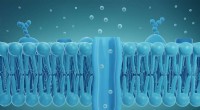
2. Cell Membrane: A thin, flexible layer beneath the cell wall that controls what enters and exits the cell. It's also involved in energy production.
3. Cytoplasm: The gel-like substance inside the cell where essential processes take place. It contains ribosomes, enzymes, and other important molecules.
4. DNA (Nucleoid): The genetic material of the bacteria, a single circular chromosome, located in a region called the nucleoid. It contains the instructions for the bacteria's growth, reproduction, and metabolism.
5. Ribosomes: Tiny structures within the cytoplasm responsible for protein synthesis. They translate the genetic code from DNA into proteins.
Bonus: While not strictly "basic" in the sense of being essential for all bacteria, many also have flagella (for movement) and pili (for attachment and communication).