1. Cell Differentiation:
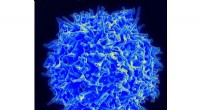
* Stem Cells: The journey begins with stem cells, which are undifferentiated cells with the potential to become various cell types.
* Specialized Functions: As a stem cell divides, its daughter cells can specialize in specific functions. This specialization involves turning on and off certain genes, leading to the development of unique structures and capabilities.
* Example: A stem cell in bone marrow can differentiate into red blood cells, white blood cells, or platelets, each with distinct roles in the body.
2. Cell-Cell Interactions:
* Adhesion Molecules: Once cells specialize, they often adhere to each other through specialized proteins called adhesion molecules.
* Examples:
* Tight junctions: Seal cells together to prevent leakage.
* Desmosomes: Act like spot welds, providing strong connections between cells.
* Gap junctions: Allow communication between cells through small channels.
3. Extracellular Matrix (ECM):
* Supporting Structure: The ECM is a network of proteins and carbohydrates that surrounds cells. It provides structural support, helps cells organize, and influences cell behavior.
* Components: The ECM includes collagen, elastin, and proteoglycans.
* Role in Tissue Formation: The ECM plays a crucial role in tissue development and organization by providing a framework for cells to adhere to and migrate within.
4. Formation of Tissues:
* Groups of Cells: Through these processes, cells with similar structure and function come together, forming distinct tissues.
* Four Basic Tissue Types:
* Epithelial tissue: Covers surfaces and lines cavities (skin, lining of the digestive tract)
* Connective tissue: Supports and connects other tissues (bones, cartilage, blood)
* Muscle tissue: Enables movement (skeletal, smooth, cardiac)
* Nervous tissue: Transmits signals (brain, spinal cord, nerves)
In Summary:
Cell differentiation, cell-cell interactions, and the ECM all play crucial roles in the organization of cells into tissues. These complex processes ensure that tissues have the specific properties and functions needed for proper organ and body development.