Here's a breakdown:
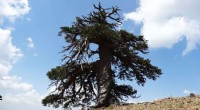
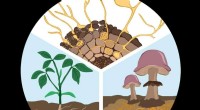
* Habitat: This refers to the specific place where an organism lives. It includes all the physical and biological factors that influence the organism's survival, growth, and reproduction.
* Adaptation: These are the traits or characteristics that allow an organism to thrive in its particular habitat. Adaptations can be physical (like a beak shape or camouflage) or behavioral (like migration or hunting strategies).
* Organism: This is any living thing, from a tiny bacterium to a giant blue whale.
Examples of habitats include:
* Forests: Diverse habitats supporting trees, plants, animals, and insects.
* Deserts: Dry, arid regions with specialized plants and animals adapted to low water availability.
* Oceans: Vast aquatic environments with various depths, temperatures, and marine life.
* Grasslands: Open areas dominated by grasses, providing habitats for grazing animals and birds.
When an organism is well-adapted to its habitat, it is able to:
* Find food: Adaptations like sharp teeth or long tongues help organisms obtain food.
* Find shelter: Organisms have evolved ways to seek shelter from predators or harsh weather.
* Reproduce: Adaptations like specialized mating rituals or nesting behaviors enhance reproductive success.
* Avoid predators: Adaptations like camouflage, speed, or venomous defenses protect organisms from being eaten.
Ultimately, the success of an organism depends on its ability to thrive in its specific habitat.