Here's a breakdown of what can differentiate throughout life:
During Development:
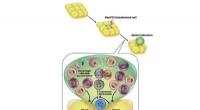
* Cell Differentiation: This is the foundation of how a single cell develops into a complex organism. Cells specialize to become skin cells, muscle cells, nerve cells, blood cells, etc.
* Tissue Formation: As cells differentiate, they organize into tissues (like muscle, bone, nervous tissue, connective tissue).
* Organ Development: Tissues then form organs, each with specialized functions.
Throughout Life:
* Tissue Repair: When we get injured, stem cells in the affected tissue differentiate to replace damaged cells.
* Adaptation: Our bodies can adapt to changes in our environment. For example, muscle cells can grow larger with exercise.
* Aging: As we age, some cells lose their ability to divide and differentiate, leading to tissue and organ degeneration.
Other factors that can change throughout life:
* Hormones: Hormonal changes throughout life (puberty, pregnancy, menopause) can influence cell differentiation and function.
* Environment: Our environment, including diet, exposure to toxins, and stress, can also impact cell differentiation and function.
It's important to note:
* While differentiation is a continuous process, some cells, once specialized, cannot change into other cell types.
* Stem cells are an exception, they retain the ability to differentiate into various cell types, which makes them crucial for repair and regeneration.
Understanding differentiation is crucial for understanding how the human body develops, functions, and changes throughout life. It is also a key area of research for treating diseases and injuries.