How it Works:
* Mutations: Changes in an organism's DNA sequence. They can be spontaneous or induced by external factors like radiation or chemicals.
* Randomness: Mutations occur randomly, meaning they don't target specific genes or traits.
* Beneficial, Harmful, or Neutral: Most mutations are either neutral or harmful, but a small percentage can be beneficial. A beneficial mutation might improve an organism's ability to survive, reproduce, or adapt to its environment.
Examples:
* Antibiotic Resistance: Bacteria can develop mutations that make them resistant to antibiotics.
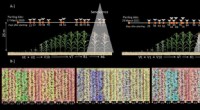
* Crop Improvement: Researchers have used radiation to induce mutations in crops, leading to increased yield or disease resistance.
* Evolution: Over time, beneficial mutations accumulate in a population, driving evolution.
Challenges:
* Unpredictability: It's impossible to predict the exact effects of a mutation beforehand.
* Low Probability: Beneficial mutations are relatively rare.
* Ethical Considerations: Introducing mutations can have unintended consequences and raise ethical concerns.
In Summary:
Inducing mutations can be a tool for creating organisms with beneficial traits, but it's a complex process with limitations. It requires careful planning, screening, and evaluation.
Important Note: While it's possible to induce mutations, it's not the primary way we develop new traits in organisms. Traditional breeding methods, genetic engineering, and other techniques are often more targeted and predictable.