1. Structure and Function:
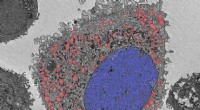
* Cellular structure: They examine the internal components of microorganisms, including their cell walls, membranes, DNA, and organelles.
* Metabolism: Microbiologists study how microorganisms obtain energy and nutrients, and how they produce waste products. This includes processes like respiration, photosynthesis, and fermentation.
* Genetics: They study the genetic material of microorganisms, including their DNA and RNA, to understand how they inherit traits and evolve.
2. Diversity and Evolution:
* Microbial taxonomy: They classify microorganisms based on their characteristics, relationships, and evolutionary history.
* Microbial ecology: Microbiologists study the interactions of microorganisms with each other and with their environments, including soil, water, and the human body.
* Microbial evolution: They investigate how microorganisms have changed over time, including the development of antibiotic resistance.
3. Applications in various fields:
* Medicine: Microbiologists play a crucial role in the development of vaccines, antibiotics, and other treatments for infectious diseases.
* Agriculture: They study beneficial microorganisms that help plants grow and improve soil health.
* Industry: Microorganisms are used in the production of various products like food (cheese, yogurt), beverages (beer, wine), and biofuels.
* Environmental microbiology: They study the role of microorganisms in bioremediation (cleaning up pollutants), waste treatment, and climate change.
Essentially, microbiologists are like detectives who investigate the invisible world of microorganisms, uncovering their secrets and leveraging their amazing capabilities for the betterment of humanity.