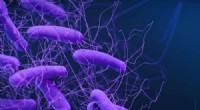
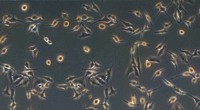
* Size: Single-celled organisms are incredibly small. They are microscopic, and their entire body is made up of a single cell.
* Diffusion: They rely on the process of diffusion to transport nutrients and remove waste products. Diffusion is the movement of molecules from an area of high concentration to an area of low concentration, and it works efficiently over short distances.
* Surface area to volume ratio: Single-celled organisms have a large surface area to volume ratio, meaning that the cell membrane is relatively large compared to the volume of the cell. This allows for efficient exchange of materials directly with the environment.
In contrast, humans have a complex circulatory system:
* Multi-cellular: Our bodies are made of trillions of cells.
* Specialized cells: We have specialized cells that work together in tissues and organs, including the heart and blood vessels.
* Blood: We have blood, which carries oxygen, nutrients, and removes waste products.
* Heart: Our hearts pump blood throughout the body.
So, while single-celled organisms are amazingly complex in their own right, they don't need a circulatory system like ours because their size and structure allow for direct exchange with their environment.