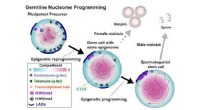
* Chromatin: This is the genetic material of the cell, consisting of DNA and associated proteins. It is organized into chromosomes, which carry the instructions for building and maintaining the cell.
* Nucleolus: This is a dense region within the nucleus where ribosomes are assembled. Ribosomes are essential for protein synthesis, which is the process of creating proteins.
* Nuclear Envelope: This is a double membrane that encloses the nucleus. It regulates what enters and exits the nucleus, protecting the DNA and other important structures.
* Nuclear Pores: These are channels in the nuclear envelope that allow for the passage of molecules, such as proteins and RNA, between the nucleus and the cytoplasm.
* Nuclear Lamina: This is a network of protein filaments that lines the inner surface of the nuclear envelope. It helps to maintain the shape and structure of the nucleus.
In essence, the nucleus is responsible for:
* Storing and protecting genetic information: The DNA in the nucleus contains the instructions for all cellular processes.
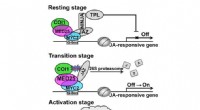
* Controlling gene expression: The nucleus regulates which genes are turned on or off, determining which proteins are produced.
* Producing ribosomes: The nucleolus is responsible for making ribosomes, which are essential for protein synthesis.
The nucleus is a vital component of every eukaryotic cell, playing a crucial role in cellular function and inheritance.