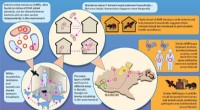
Creating a transgenic organism, one with genetic material from another species, involves several key steps:
1. Constructing the Transgene:
* Gene Selection: Choose the desired gene from the donor organism.
* Vector Construction: A vector, often a virus or plasmid, is used to carry the transgene into the host organism. The vector is carefully engineered to include the transgene, a promoter for gene expression, and often a marker gene to identify successful integration.
* Transgene Optimization: The transgene sequence might need adjustments for optimal expression in the host organism, including codon optimization for host ribosomes.
2. Introducing the Transgene:
* Delivery Method: Different methods are used depending on the host organism:
* Viral Vectors: Viruses are used to deliver the transgene into host cells. They can be modified to target specific cells and are efficient in delivering genetic material.
* Microinjection: The transgene is directly injected into the nucleus of an egg or embryo. This is commonly used for creating transgenic animals.
* Electroporation: A brief electrical pulse temporarily disrupts the cell membrane, allowing the transgene to enter. This is used for various organisms, including bacteria and plants.
* Lipid Transfection: The transgene is packaged within lipids, which fuse with the cell membrane, allowing entry into the host cell.
* Agrobacterium-mediated transformation: This method is used primarily for plants. The bacterium *Agrobacterium tumefaciens* naturally transfers DNA into plant cells, and this process can be manipulated to deliver the transgene.
3. Integration and Expression:
* Integration: The transgene needs to integrate into the host genome for stable inheritance.
* Expression: Once integrated, the promoter region drives the transgene's expression, producing the desired protein or phenotype.
4. Screening and Selection:
* Marker Gene Screening: The marker gene allows for easy identification of cells or organisms that have successfully integrated the transgene.
* Phenotype Analysis: The transgenic organism is analyzed for the desired phenotype caused by the transgene expression.
5. Transgenic Line Development:
* Breeding: If successful, transgenic organisms are bred to produce offspring carrying the transgene.
* Line Establishment: Repeated breeding and selection lead to a stable transgenic line, where all individuals carry the transgene.
Challenges and Ethical Considerations:
* Integration Efficiency: Integration of the transgene is not always successful, and multiple attempts might be needed.
* Off-target Effects: Integration of the transgene can sometimes disrupt other genes, causing unforeseen effects.
* Regulation and Ethical Concerns: The use of transgenic organisms raises ethical concerns about safety and potential environmental risks. Strict regulations are in place to ensure responsible research and development.
Applications of Transgenic Organisms:
* Biomedical Research: Transgenic animals are used to study disease mechanisms, develop therapeutic strategies, and test drug efficacy.
* Agriculture: Transgenic crops are engineered for traits like herbicide resistance, pest resistance, and enhanced nutritional value.
* Industrial Applications: Transgenic organisms are used to produce biofuels, pharmaceuticals, and other industrial products.
Creating transgenic organisms is a complex and specialized field requiring expertise in molecular biology, genetics, and animal or plant science. However, the potential benefits of these technologies continue to drive research and development in various areas, aiming to improve human health, agriculture, and industry.