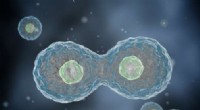
These bacteria are called dinitrifiers and they are able to survive and thrive in environments with low oxygen levels, like waterlogged soils or the bottom of lakes and oceans. They use nitrate as an electron acceptor in respiration, a process that produces energy for the bacteria.
Here are some key characteristics of dinitrifiers:
* Facultative anaerobic: They can switch between using oxygen and nitrate as electron acceptors depending on the availability of oxygen in their environment.
* Heterotrophic: They obtain their carbon from organic compounds.
* Diverse: Dinitrifiers belong to various genera, including *Pseudomonas*, *Paracoccus*, *Bacillus*, and *Thiobacillus*.
The process of dinitrification involves a series of enzymatic steps:
1. Nitrate reduction to nitrite: Nitrate (NO₃⁻) is reduced to nitrite (NO₂⁻) by the enzyme nitrate reductase.
2. Nitrite reduction to nitric oxide: Nitrite (NO₂⁻) is further reduced to nitric oxide (NO) by the enzyme nitrite reductase.
3. Nitric oxide reduction to nitrous oxide: Nitric oxide (NO) is reduced to nitrous oxide (N₂O) by the enzyme nitric oxide reductase.
4. Nitrous oxide reduction to nitrogen gas: Finally, nitrous oxide (N₂O) is reduced to nitrogen gas (N₂) by the enzyme nitrous oxide reductase.
Dinitrification is an important process in the nitrogen cycle, as it removes fixed nitrogen from the environment and returns it to the atmosphere. This process can be beneficial for some ecosystems, but it can also have negative consequences, such as reducing the availability of nitrogen for plant growth and contributing to climate change through the release of nitrous oxide, a potent greenhouse gas.