1. Selective Permeability: The cell membrane acts as a barrier, controlling the movement of substances in and out of the cell. It is selectively permeable, meaning it allows some substances to pass through while blocking others. This selectivity ensures that the cell maintains the correct concentration of ions, nutrients, and waste products.
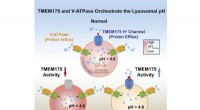
2. Regulation of Intracellular Environment: The cell membrane regulates the passage of water, electrolytes, and other molecules to maintain the cell's internal environment, such as pH, osmotic pressure, and ionic composition.
3. Transport Mechanisms: The cell membrane employs various transport mechanisms like diffusion, osmosis, active transport, and facilitated diffusion to move substances across the membrane. These mechanisms are essential for maintaining the proper balance of molecules inside and outside the cell.
4. Signaling and Communication: The cell membrane contains receptors that bind to signaling molecules, like hormones and neurotransmitters. This allows the cell to receive information from its surroundings and respond accordingly, contributing to overall homeostasis.
5. Protection: The cell membrane acts as a protective barrier against harmful substances and pathogens, preventing them from entering the cell and disrupting its internal environment.
Examples of how the cell membrane contributes to homeostasis:
* Maintaining a stable pH: The cell membrane pumps out excess hydrogen ions to maintain a neutral pH within the cell.
* Regulating water balance: The cell membrane controls the movement of water in and out of the cell, ensuring that it doesn't become dehydrated or overhydrated.
* Transporting nutrients: The cell membrane takes in essential nutrients like glucose and amino acids and releases waste products.
In summary, the cell membrane plays a fundamental role in maintaining homeostasis by:
* Controlling the movement of substances
* Regulating the intracellular environment
* Enabling communication and signaling
* Providing protection
All these functions work together to ensure the cell's survival and optimal functioning.