1. Plasma Membrane:
- The outer boundary of the oocyte, responsible for regulating what enters and leaves the cell.
- Contains receptors for hormones and other signaling molecules.
2. Cytoplasm:
- The jelly-like substance within the oocyte, filled with organelles and molecules essential for its development and function.
- Contains:
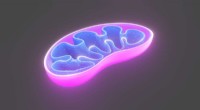
- Organelles: Mitochondria (for energy production), Golgi apparatus (for protein packaging), endoplasmic reticulum (for protein synthesis), ribosomes (for protein synthesis), and lysosomes (for cellular waste disposal).
- Nutrients: Stored food reserves (like yolk) to sustain the developing embryo.
- mRNA: Messenger RNA molecules carrying instructions for protein synthesis.
- Cytoskeletal elements: Microtubules and microfilaments that provide structural support and aid in cell division.
3. Nucleus:
- Contains the oocyte's genetic material (DNA) in the form of chromosomes.
- The nucleus is typically located in the center of the oocyte during early stages but can be eccentric in later stages.
- During oogenesis (egg development), the nucleus goes through several stages, including the formation of a germinal vesicle (GV).
4. Zona Pellucida:
- A thick, glycoprotein layer surrounding the plasma membrane of the oocyte.
- Acts as a protective barrier and plays a role in sperm binding and penetration.
- It is essential for proper fertilization.
5. Cumulus Oophorus:
- A layer of cells surrounding the zona pellucida.
- These cells are crucial for supporting the oocyte's growth and development.
- They provide nutrients and signaling molecules to the oocyte.
6. Corona Radiata:
- The innermost layer of the cumulus oophorus.
- These cells are tightly connected to the zona pellucida.
- They play a role in sperm guidance and contribute to the formation of the fertilization envelope.
7. Polar Bodies:
- Small, non-functional cells produced during oogenesis.
- They are formed through unequal cell divisions, with most of the cytoplasm going to the oocyte.
- Polar bodies can be found near the oocyte.
8. Follicle:
- The oocyte is housed within a follicle, a structure composed of cells that support and nourish the oocyte.
- The follicle undergoes several stages of development during oogenesis, ultimately culminating in the release of the mature egg (ovulation).
It's important to remember that the components of an oocyte can vary depending on the species and the stage of its development.