1. Cell Differentiation:
* Imagine your body as a giant city with different neighborhoods: some for housing, others for industry, and others for commerce. Cells are like the residents, each specializing in a specific job.
* During development, cells go through a process called differentiation, where they activate and deactivate specific genes. This process determines their function and identity.
* Examples: Muscle cells develop the ability to contract, nerve cells develop the ability to transmit signals, and skin cells develop the ability to protect your body.
2. Environmental Factors:
* Even cells of the same type can be different depending on their environment.
* For example, cells in your skin exposed to sunlight will produce more melanin (pigment) to protect from UV damage.
* Similarly, cells in your lungs exposed to pollution may show different characteristics compared to cells in a cleaner environment.
3. Epigenetics:
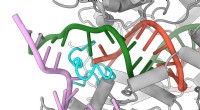
* Epigenetics is the study of how genes are expressed without changes to the DNA sequence itself. Think of it like switches that turn genes on or off.
* These switches can be influenced by environmental factors, lifestyle choices, and even your age.
* Examples: Smoking can cause epigenetic changes in lung cells, leading to an increased risk of cancer.
4. Randomness:
* Even with the same DNA and environment, there's a certain level of randomness in cell development.
* This explains why identical twins, despite having the same DNA, may have subtle differences in their appearance and health.
In Summary:
The combination of cell differentiation, environmental influences, epigenetics, and randomness creates a remarkable diversity of cells in your body, each with its own unique purpose. This diversity allows your body to function as a complex and adaptable system.