1. Asking Questions: Identifying a problem or phenomenon that requires explanation.
2. Developing a Hypothesis: Formulating a testable explanation for the observed phenomenon.
3. Designing and Conducting Experiments: Collecting data to test the hypothesis through controlled experiments or observations.
4. Analyzing Data: Examining the collected data to draw conclusions and determine if the hypothesis is supported or refuted.
5. Communicating Results: Sharing the findings with the scientific community through publications, presentations, and conferences.
Characteristics of a Scientific Endeavor:
* Empiricism: Based on observations and evidence from the real world.
* Objectivity: Striving for unbiased and impartial findings.
* Reproducibility: Experiments and results should be repeatable by other researchers.
* Falsifiability: Hypotheses must be capable of being proven false.
* Collaboration: Often involves teams of scientists working together.
Examples of Scientific Endeavors:
* Developing a new vaccine: Researchers conduct clinical trials to test the effectiveness and safety of a potential vaccine.
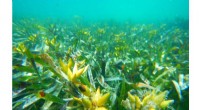
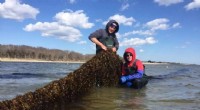
* Exploring the ocean depths: Scientists use submersibles and advanced technology to study marine life and underwater environments.
* Understanding climate change: Researchers collect data on global temperatures, greenhouse gas emissions, and other factors to understand the causes and impacts of climate change.
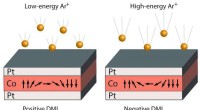
* Creating new materials: Scientists design and synthesize new materials with specific properties for applications in various fields.
The goal of a scientific endeavor is to:
* Advance knowledge: Contribute to the understanding of the natural world.
* Solve problems: Find solutions to real-world challenges.
* Improve technology: Develop new technologies and innovations.
* Promote human welfare: Contribute to the betterment of society.
Scientific endeavors are essential for driving innovation, progress, and the betterment of humanity. They are a cornerstone of modern society and play a crucial role in shaping our understanding of the world around us.