1. Biome: The largest level, encompassing a vast geographic region characterized by its climate, flora, and fauna. Examples: Tropical rainforest, tundra, desert.
2. Ecosystem: A community of living organisms (biotic factors) interacting with their non-living environment (abiotic factors). Examples: A lake, a coral reef, a forest.
3. Community: All the different populations of species that live and interact within a specific ecosystem. Examples: All the fish, algae, and invertebrates in a coral reef.
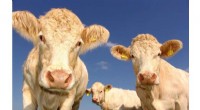
4. Population: A group of individuals of the same species living in the same area and interacting with each other. Examples: A herd of zebras, a colony of ants, a flock of birds.
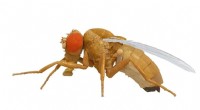
5. Organism: A single living being made up of organ systems. Examples: A tree, a lion, a butterfly.
6. Organ System: A group of organs working together to perform a specific function. Examples: The digestive system, the circulatory system, the nervous system.
7. Organ: A structure made up of different tissues working together to perform a specific function. Examples: The heart, the lungs, the brain.
8. Tissue: A group of similar cells working together to perform a specific function. Examples: Muscle tissue, nervous tissue, connective tissue.
9. Cell: The basic unit of life. Examples: Plant cells, animal cells, bacterial cells.
10. Organelle: A specialized structure within a cell that performs a specific function. Examples: Mitochondria, nucleus, chloroplast.
11. Molecule: Two or more atoms bonded together. Examples: Water (H₂O), DNA, glucose.
12. Atom: The smallest unit of an element. Examples: Carbon (C), Oxygen (O), Hydrogen (H).
It's important to note that these levels of organization are interconnected and interdependent. Changes at one level can have significant effects on other levels.